
Modular vs. Portable Ramps: Which Is Right for Your Situation?
Mobility Plus Lithia Springs
02/25/2026
For many homeowners, the need for a ramp doesn’t begin as a permanent plan. It often starts with a moment—returning home after surgery, noticing steps feel less steady than they used to, or preparing for a loved one to move in. The question that follows is practical and important: Should we install a modular ramp, or would a portable ramp be enough?
At Mobility Plus Lithia Springs, we help families across Douglas County, Cobb County, Carroll County, and Paulding County—including Lithia Springs, Mableton, Austell, Douglasville, Powder Springs, Smyrna, South Fulton, Carrollton, Villa Rica, Dallas, Hiram, Temple, and Winston— think through that decision carefully so the solution fits both the home and the lifestyle.
The Difference Comes Down to Duration and Design
Modular and portable ramps are both designed to improve accessibility, but they serve different purposes.
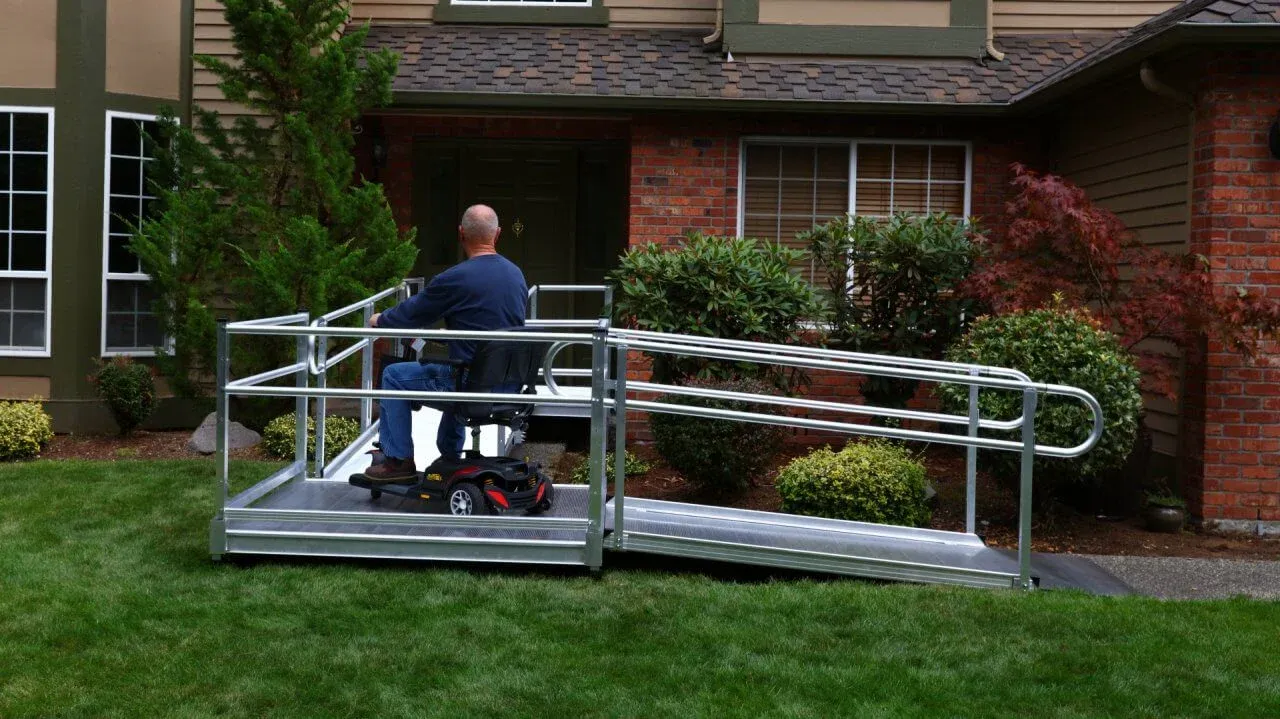
A modular ramp is typically a more stable, semi-permanent system that’s configured specifically for your home’s entry height and layout. It’s built in sections, allowing it to be customized and expanded if needed. Systems like the PATHWAY® 3G Modular Ramp are engineered for durability and long-term outdoor use. These ramps are commonly installed when accessibility is expected to be ongoing rather than temporary.
A portable ramp, on the other hand, is designed for flexibility. Products such as Roll-A-Ramp® Portable Ramps can be set up and removed as needed. They’re often used for short-term recovery, visiting family members, or travel situations where a permanent structure isn’t necessary.
The key difference isn’t quality—it’s intent.
When a Modular Ramp Makes More Sense
Modular ramps are typically the better option when accessibility needs are expected to continue long term. If daily entry into the home involves multiple steps, a steep rise, or frequent wheelchair or scooter use, a stable, professionally installed system provides consistency and ease.
Modular ramps are also beneficial when:
- The rise from ground to doorway is significant.
- The entryway needs turning platforms or longer transitions.
- Weather exposure is a concern.
- Multiple household members use the ramp daily.
Because they are assembled from aluminum components, modular ramps are durable yet adaptable. They can often be reconfigured if circumstances change, offering long-term flexibility without requiring permanent structural alterations.
When a Portable Ramp Is the Right Fit
Portable ramps shine in situations where mobility support is needed temporarily or occasionally. If someone is recovering from surgery and expects to regain strength within weeks or months, a permanent installation may feel unnecessary. In those cases, a portable solution provides access without long-term commitment.
Portable ramps are commonly chosen when:
- There is only one or two steps at the entry.
- The need is temporary.
- The ramp must be stored when not in use.
- Travel or transport flexibility is important.
Because products like Roll-A-Ramp are lightweight and adjustable, they offer practical support without altering the home environment.
Considering Slope and Entry Height
One of the most important factors in choosing between modular and portable ramps is slope. The height of your entry and the available landing space determine how long a ramp needs to be for safe, comfortable use.
Shorter portable ramps work well for minimal rises, such as thresholds or single steps. Larger elevation changes often require longer ramp runs, which modular systems are better equipped to provide. A proper assessment ensures the incline feels gradual and secure rather than steep or rushed.
Thinking Beyond Today’s Needs
Choosing the right ramp is not only about the present moment. It’s also about thinking ahead. If mobility needs are likely to increase or remain consistent, investing in a modular system may provide greater peace of mind. If the need is transitional, a portable ramp may offer exactly the right level of support without overcommitting.
Both solutions are designed to preserve independence. The right choice simply depends on how your home is used and how long accessibility support is expected.
Whether you’re exploring options for short-term recovery or long-term accessibility planning, Mobility Plus Lithia Springs proudly serves Douglas, Cobb, Carroll, and Paulding Counties, helping homeowners throughout Lithia Springs, Mableton, Austell, Douglasville, Powder Springs, Smyrna, South Fulton, Carrollton, Villa Rica, Dallas, Hiram, Temple, and Winston find solutions that feel practical, stable, and thoughtfully chosen.