
What to Consider Before Installing a Ramp at Home
Mobility Plus Lithia Springs
04/22/2026
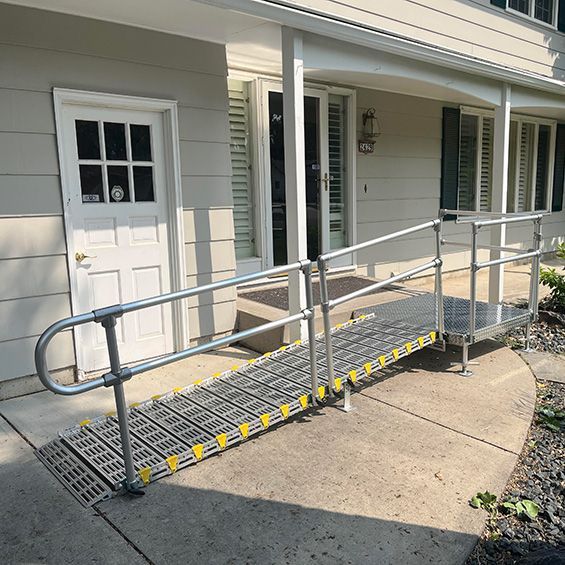
Making a home more accessible often starts at the entrance. A single step, a small set of stairs, or an uneven threshold can quickly become a daily challenge when mobility changes. Installing a ramp is one of the most practical ways to improve safety and independence—but choosing the right ramp involves more than just measuring the height of your steps.
At Mobility Plus Lithia Springs, we work with homeowners who want solutions that feel natural, stable, and suited to how they live. Taking a little time to evaluate your space and needs can make a significant difference in how well a ramp works long-term.
Start with the Entry Point
Every home is different, and the first step is understanding where the ramp will be used. Is it a front porch with multiple steps? A garage entry with a smaller rise? Or a single step at a doorway?
The height of the entry point plays a major role in determining the type and length of ramp needed. A higher rise typically requires a longer ramp for a comfortable, gradual incline, while smaller transitions may only need a shorter solution.
Looking at how you currently enter and exit your home helps guide what will feel most natural moving forward.
Modular vs. Portable Ramps
One of the most important decisions is whether a modular ramp system or a portable ramp is the better fit.
Modular ramps are often used when accessibility is needed on a more consistent, long-term basis. They are built in sections and can be configured to match the layout of your home, including turns, platforms, and longer runs. For example, Roll-A-Ramp Modular Ramps offer flexibility in design while maintaining durability for outdoor use. These systems can also be adjusted over time if needs change.
Another modular option, the PATHWAY® 3G Ramp, is known for its clean design and solid surface, providing a stable and reliable entry solution that blends well with residential spaces.
Portable ramps, on the other hand, are designed for convenience and shorter-term use. They work well for smaller rises such as thresholds, single steps, or situations where the ramp needs to be removed or repositioned. The GATEWAY™ 3G Solid Surface Portable Ramp is one example that offers a sturdy surface while remaining easy to place and remove as needed.
The choice between modular and portable often comes down to how frequently the ramp will be used and whether the need is temporary or ongoing.
Space and Layout Considerations
Ramps require space—not just for the ramp itself, but for safe entry and exit. This includes having enough room at the top and bottom for smooth transitions, especially for wheelchairs and mobility scooters.
If space is limited, a modular system can sometimes be designed with turns or platforms to fit within the available area. For homes with more open layouts, a straight ramp may be the simplest solution.
Thinking through how the ramp will fit into your existing space helps ensure it feels like a natural addition rather than an obstacle.
Surface, Stability, and Weather
Since most ramps are installed outdoors, it’s important to consider how they will perform in different weather conditions. Rain, heat, and seasonal changes can all affect traction and durability.
Aluminum ramps, like modular systems and solid-surface portable ramps, are often chosen for their ability to withstand the elements while maintaining a slip-resistant surface. Stability is key—not just for safety, but for confidence when using the ramp daily.
Temporary vs. Long-Term Needs
Another important consideration is how long the ramp will be needed. Some individuals require a ramp during recovery from surgery or injury, while others are planning for long-term accessibility.
Portable ramps can be ideal for temporary use, offering flexibility without a permanent installation. Modular ramps are typically better suited for ongoing needs, providing a more permanent, stable solution.
Thinking ahead can help you choose a ramp that continues to meet your needs over time.
Professional Guidance Makes the Difference
While it’s possible to estimate some of these factors on your own, having a professional evaluation ensures the ramp is both safe and properly suited to your home. From slope and length to placement and installation, small details can have a big impact on usability.
Working with an experienced team helps take the guesswork out of the process and ensures the final solution feels right from day one.
Financing Options for Accessibility Solutions
Installing a ramp is often an important step toward maintaining independence at home. For those exploring ways to make this investment more manageable, financing options may be available.
CareCredit is a healthcare financing option that allows qualified individuals to spread payments over time, making it easier to move forward with mobility solutions when they’re needed most. This can help avoid delays and ensure your home remains accessible and comfortable.
You can check to see if you prequalify—without impacting your credit score—here:
👉 https://www.carecredit.com/go/346GSG/
Creating a Safer, More Accessible Home
A well-chosen ramp can make everyday movement feel easier, safer, and more predictable. Whether the need is temporary or long-term, the right solution supports independence without changing the feel of your home.
Mobility Plus Lithia Springs proudly serves Douglas County, Cobb County, Carroll County, and Paulding County, including Lithia Springs, Mableton, Austell, Douglasville, Powder Springs, Smyrna, South Fulton, Carrollton, Villa Rica, Dallas, Hiram, Temple, and Winston.
If you’re considering a ramp for your home, our team is here to help you evaluate your space and find a solution that fits your needs—clearly, comfortably, and without pressure.