
What Mobility Equipment Qualifies as a Tax-Deductible Medical Expense?
Mobility Plus Tucson
05/06/2026
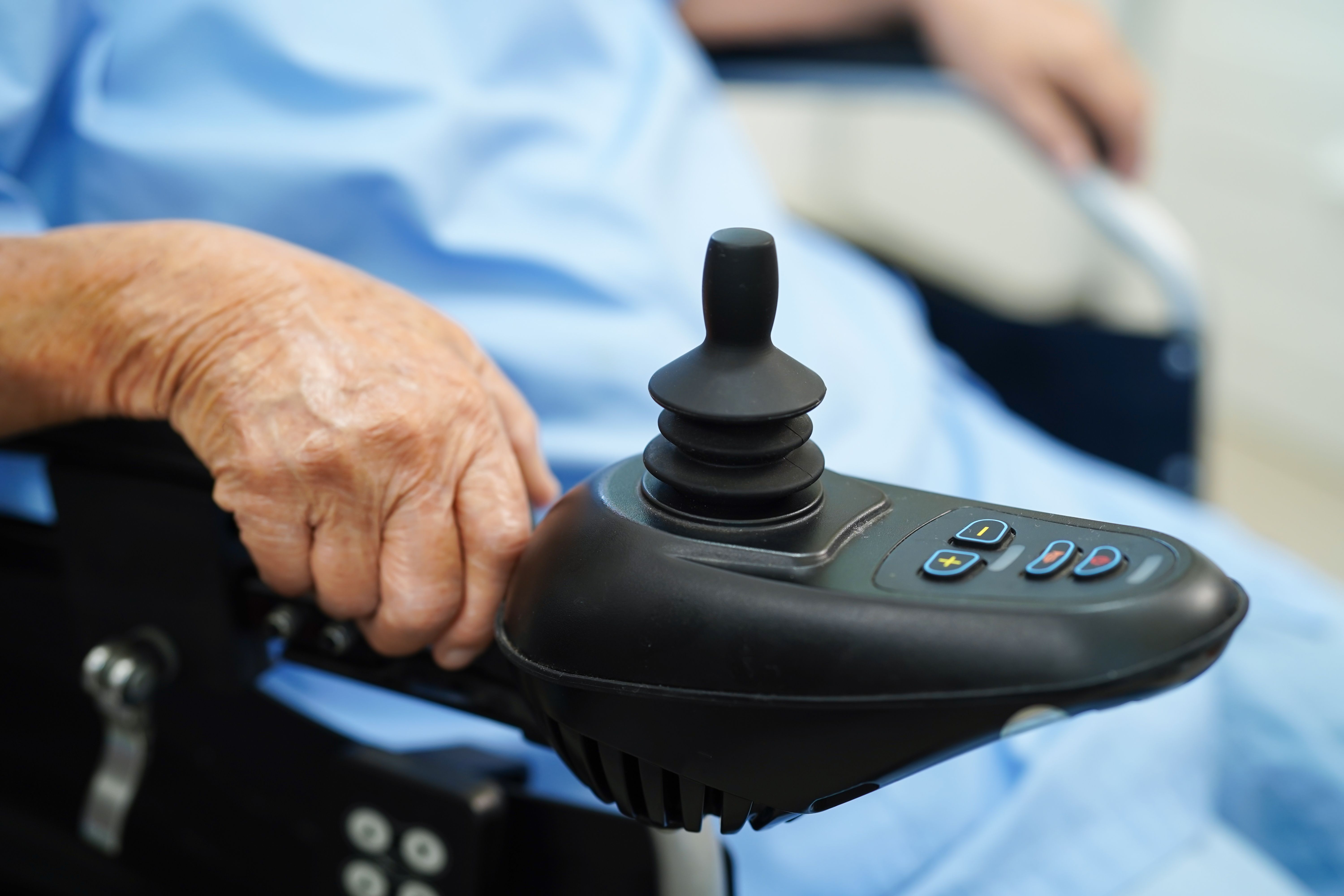
Many types of mobility equipment may be tax-deductible if they qualify as medical expenses under IRS guidelines. Mobility Plus helps individuals navigate the financial aspects of these essential purchases by providing high-quality solutions that meet medical standards. Utilizing a Durable Medical Equipment (DME) tax deduction can significantly offset the cost of items such as ramps, stair lifts, and scooters when they are deemed medically necessary for your care. While not every purchase qualifies, understanding the specific documentation and IRS rules can help you maximize your savings while regaining your independence.
What Mobility Equipment Qualifies as a Tax-Deductible Medical Expense?
Qualifying equipment must be considered medically necessary to treat or alleviate a physical disability or ailment. According to IRS Publication 502 medical expenses, you can generally deduct the costs of equipment and supplies that serve a primary medical purpose.
Common Deductible Mobility Equipment
Common examples include wheelchairs, mobility scooters, and lift chairs. More permanent installations, such as stair lifts and residential ramps, also frequently qualify. To ensure eligibility, these items should be prescribed or specifically recommended by a licensed healthcare provider.
How Home Accessibility Improvements May Be Deductible
Certain home modifications qualify as a capital improvement home accessibility expense if their main purpose is medical care for you or a dependent.
Examples of Qualifying Home Modifications
Deductible modifications often include installing porch lifts, widening doorways for wheelchair access, or installing roll-in showers. Lowering kitchen cabinets and adding handrails in bathrooms are also recognized improvements.
How Deductions Are Calculated
These are considered a Capital Expense for Medical Purposes. If the improvement increases the value of your home, only the cost that exceeds the increase in property value is deductible. If the modification does not increase your home's value, the entire cost may be deductible.
What You Need to Claim a Mobility Equipment Tax Deduction
Required Documentation
Retain all original receipts, installation invoices, and letters of medical necessity from your physician. These documents are essential if the IRS requests verification of your medical expenses.
Income Thresholds & Limitations
Medical expenses typically must exceed a specific percentage of your adjusted gross income before they become deductible. This threshold means that bundling your mobility equipment purchases into a single tax year can often be a more effective financial strategy.
Make Mobility More Affordable with Expert Guidance
Mobility equipment becomes much more accessible when you apply the proper tax deductions and financing options. We are a locally and military-owned business dedicated to helping you find the right fit for your home and budget. To make the process even easier, we bring the mobility equipment to you with our traveling showroom, allowing you to try scooters or lift chairs in your own environment. Whether you need an in-home demo or white-glove delivery where we assemble everything for you, our goal is your total freedom. Schedule an in-home demo with Mobility Plus today to discover how we can help you stay active and safe.