
Complete Guide to Mobility Equipment Battery Care
Mobility Plus Buford
07/15/2025
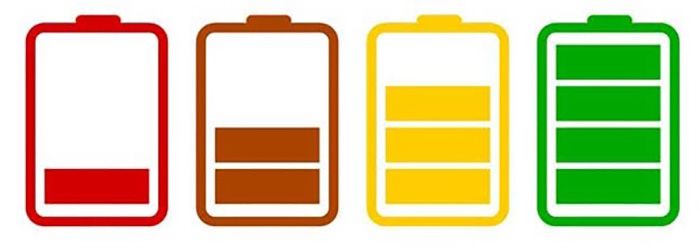
If you rely on a mobility scooter or power wheelchair, proper battery maintenance is crucial for independence and mobility. Whether you use sealed lead acid (SLA) batteries or lithium-ion batteries, following proven practices can extend battery life by 50–100%, saving hundreds of dollars in replacement costs.
This comprehensive guide covers everything mobility device owners need to know about mobility scooter battery care, power wheelchair battery maintenance, and maximizing performance.
Table of Contents
- Understanding Mobility Scooter & Power Wheelchair Battery Types
- SLA Battery Maintenance Guide
- Lithium-Ion Battery Care Tips
- Common Battery Mistakes to Avoid
- When to Replace Your Battery
- Key Takeaways for Maximum Battery Life
- Frequently Asked Questions
Understanding Mobility Scooter & Power Wheelchair Battery Types
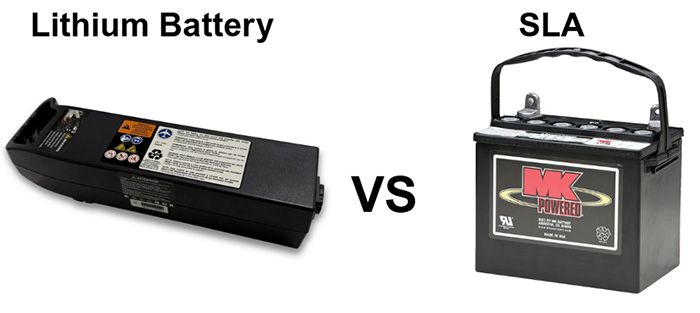
Sealed Lead Acid (SLA) Batteries
SLA batteries are the most common type in mobility scooters and power wheelchairs. They typically last 12–18 months with proper care and cost less upfront than lithium options.
Key characteristics:
- Heavier than lithium alternatives
- Require regular charging cycles
- Sensitive to temperature extremes
- More affordable initial cost
Lithium-Ion Batteries
Lithium-ion batteries are increasingly popular for their lightweight design and longer lifespan (2–5 years). Though more expensive at first, they can offer better long-term value.
Key advantages:
- 50% lighter than SLA batteries
- Longer range per charge
- No memory effect
- Faster charging times
Complete SLA Battery Maintenance Guide
Charge After Every Use
Always recharge after each ride—even short trips—to prevent deep discharges that can permanently damage SLA batteries.
Tip: Plug in immediately after returning home.
Never Store Batteries Empty
Before storing for weeks or months:
- Charge fully to 100%
- Recharge every 2 weeks
- Store in a dry, temperature-controlled space
- Disconnect the battery if storing over 30 days
Use Only Compatible Chargers
Using the wrong charger is the top cause of battery failure. Always confirm:
- Matching voltage specifications
- Manufacturer-approved charger
- Automatic shut-off to prevent overcharging
Avoid Overcharging
When the battery reaches full charge:
- Disconnect within 24 hours
- Never leave it plugged in for days
Temperature Control is Critical
Store and charge batteries between 50–86°F (10–30°C). Extreme cold or heat can permanently damage capacity
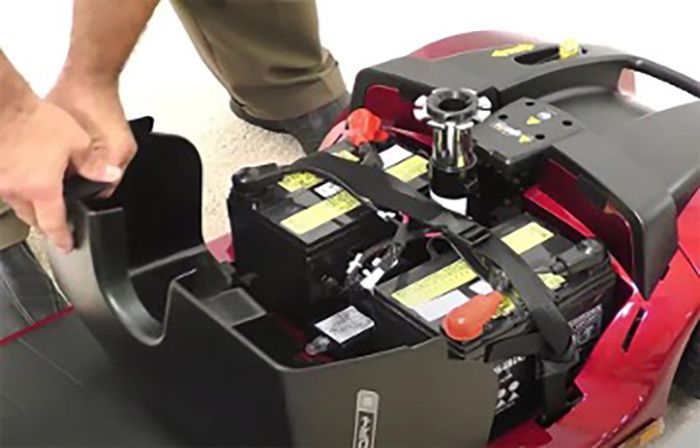
Lithium-Ion Battery Care Guide
Avoid Complete Discharge
Partial discharge cycles are best. Recharging at 20–50% remaining capacity can significantly increase lifespan.
Don’t Always Charge to 100%
For everyday use, charge to 80–90%. Reserve full charges for when you need maximum range
Use Original Chargers Only
Generic or rapid chargers produce excess heat and shorten battery life. Use only the charger supplied with your device.
Optimal Storage Charge Level
Maintain 40–60% charge during long-term storage to reduce chemical aging.
Temperature Protection
Lithium batteries don’t tolerate extremes:
- Don’t charge below 32°F (0°C)
- Avoid storage above 95°F (35°C)

Common Battery Mistakes to Avoid
Mistake #1: Waiting Until Empty to Charge
Impact: Shortens lifespan by 50%
Solution: Charge after every use
Mistake #2: Using Universal Chargers
Impact: Risk of overheating or insufficient charging
Solution: Use only approved chargers
Mistake #3: Ignoring Temperature Extremes
Impact: Can permanently damage batteries
Solution: Store and charge in moderate temperatures
Mistake #4: Forgetting About Stored Batteries
Impact: Deep discharge damages cells
Solution: Top off every 2 weeks
Signs Your Mobility Scooter Battery Needs Replacement
- Reduced range (less than 50% of original distance per charge)
- Slow charging times
- Physical damage (cracks, swelling, leaks)
- Age (SLA over 18 months, lithium over 3–5 years)
- Frequent recharging needed
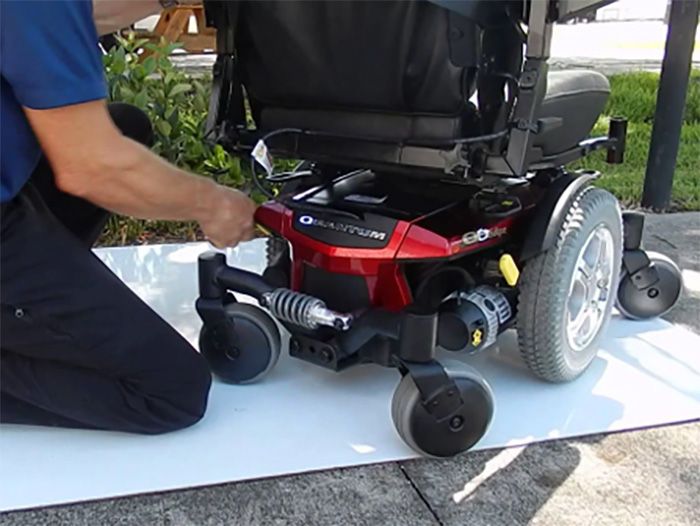
Key Takeaways for Maximum Battery Life
Charge consistently—after every use for SLA, partial cycles for lithium-ion
Use the correct charger every time
Control temperature during storage and charging
Monitor performance and replace batteries as needed
Frequently Asked Questions
Q: How long do mobility scooter batteries last?
A: SLA batteries last about 12–18 months. Lithium-ion can last 2–5 years with good care.
Q: Can I use a car battery charger?
A: No—always use the charger specifically designed for your device.
Q: How often should I charge my battery?
A: SLA—after every use. Lithium-ion—at 20–50% remaining.
Q: Are lithium batteries worth the higher cost?
A: For many users, yes—they last longer, charge faster, and weigh less.
With the right care, your mobility scooter or power wheelchair battery will deliver reliable performance for years to come.