
Total: 20 articles
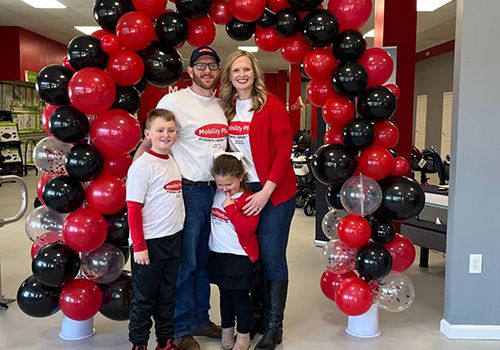
Mobility Plus Inwood, WV Grand Opening Event
Mobility Plus is proud to announce the grand opening of Mobility Plus Inwood, WV! On December 6 th , 2024, the area of Martinsburg, WV officially welcomed the latest Mobility Plus location into their community. Congratulations Justin and Julie Sayre, along with the rest of the Mobility Plus Inwood team!
We know that Mobility Plus Inwood has a great road ahead of them, and we’re looking forward to all of the amazing things they will do in their community. Their store is located at 89 Hovatter Dr Suite B, Inwood, WV 25428, and is right on the corner of Winchester Ave and Gerrardstown Rd, just in the heart of Inwood! If you’re in Martinsburg, WV, and need any assistance with mobility solutions, we encourage contacting Justin and Julie!
For details on their store, or to contact them directly, please visit the Mobility Plus Inwood location page!
Mobility Plus
12/16/2024
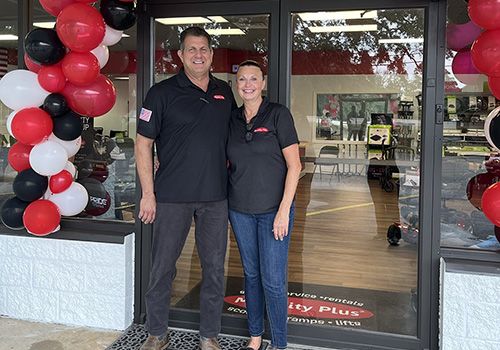
Mobility Plus Gulfport, MS Grand Opening Event
The Gulfport, Mississippi community has officially welcomed Michael and Anne Giovingo in opening Mobility Plus Gulfport at their Grand Opening of their storefront! Michael and Anne, owners and operators of this location, held the event on November 7th in a wonderful fashion.
Mobility Plus is excited for the future of the Gulfport location as they start on their journey in our network. We look forward to great success in their future within the community and the area at large. Their store is located at 665 E Pass Rd Ste D, Gulfport, MS 39507 which is just a few streets up from the beachline, so it’s a beautiful location with easy access to main roads and other amenities. If you’re in the Gulfport area or area traveling there soon, we encourage you to visit Mobility Plus Gulfport and “go where you want to go...”!
For details on their store or to contact them for mobility solutions, please visit Mobility Plus Gulfport’s location page!
Mobility Plus
11/15/2024
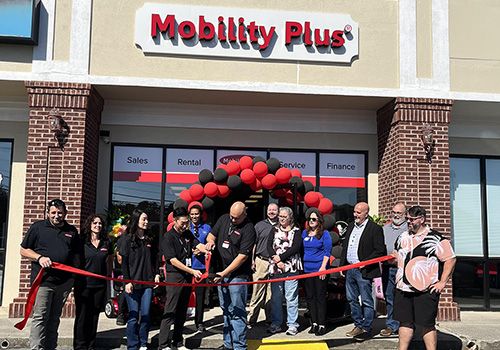
Mobility Plus Buford, GA Grand Opening Event
We are excited to welcome David Kim and the rest of the Mobility Plus Buford team! On October 25th, 2024, Buford, Georgia welcomed the newest Mobility Plus location to their community as part of their grand opening event!
The future for the Mobility Plus Buford team is bright, and we’re highly anticipating what the community will bring. Located at 1620 Buford Hwy #102, Buford, GA 30518, this store is a prime location near the corner of Buford Highway and Buford Drive, so there is easy access from any direction. For any Buford residents who are looking for mobility solutions, we recommend visiting this beautiful new store! For details on their store, or to contact them directly, please visit the Mobility Plus Buford location page!
Mobility Plus
11/11/2024
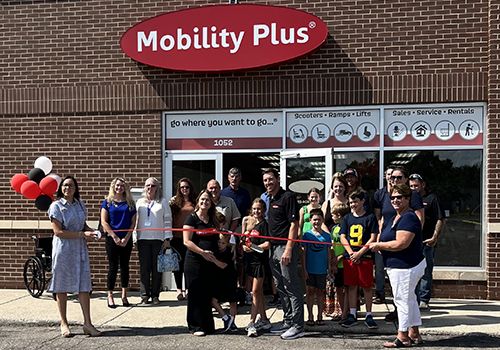
Mobility Plus Plymouth Grand Opening Event
The Plymouth, Michigan community can now officially welcome the latest Mobility Plus location with the Grand Opening of their storefront! Rod Emmons, owner and operator of Mobility Plus Plymouth, held the event on July 16th 2024 to great success!
We are excited to have Rod and the rest of the Plymouth team as part of the network, and are excited for their future success in their community! Located at 1052 Ann Arbor Rd Plymouth, MI 48170, this store has prime location near downtown itself and just off Main St. For any Plymouth residents who are looking for mobility solutions, we encourage visiting their store and 'go where you want to go...'!
For details on their store or to contact them for mobility solutions, please visit their Mobility Plus Plymouth location page!
Mobility Plus
07/17/2024
Franchise Rock Star Award Winner 2023
Mobility Plus Franchise Owner and Mobility Consultant at Tucson, Oro Valley, and Marana in Arizona; Gary Ross receives the 2023 Franchisee Rock Star Award under the Giving Back category by FranchiseBusiness REVIEW!
For the complete published list for the 2023 FranchiseBusiness REVIEW Rock Stars, visit:
FranchiseBusinessReview.com/2023-Franchise-Rock-Stars/
As a veteran and multi-store operator, Gary Ross joined the Mobility Plus network in 2021. To view a full video of Gary Ross' experience as a Veteran in franchising and why he joined Mobility Plus, visit:
https://www.youtube.com/watch?v=4tZNKvYp2Po
Mobility Plus submitted the Rock Star nomination after being awarded the #1 position by his fellow franchisees for the Peer Franchisee Award during the 2023 Mobility Plus Annual Conference. Fellow franchisees described Gary Ross as someone who is "always helpful on details of his operations, goes out of his way to help anyone, a source of information for testing new solutions."
During an interview, Gary Ross stated, "Giving back holds profound meaning for me, both personally and professionally. It serves as a cornerstone of my values and shapes my perspective on the world. The significance of giving back reflects a genuine desire to make a positive impact in the lives of others."
See below Gary's full interview when we asked him about the importance of giving back and how it affects his life and business endeavors.
Giving Back; Why is it meaningful to you? What role does it play in your life and your business?
In my personal life, giving back allows me to connect with my community and contribute to causes that align with my passions and beliefs. It brings me immense joy and fulfillment to know that my actions, however small, can make a tangible difference in someone's life. Whether volunteering to serve on a local board or offering mentorship to aspiring individuals, giving back enables me to create meaningful connections, foster empathy, and inspire positive change.
Moreover, incorporating giving back into my business endeavors has proven invaluable. It enhances the reputation and social standing of my business and aligns it with a purpose beyond mere financial success. By integrating philanthropic initiatives into my business strategy, I cultivate a culture of compassion, empathy, and social responsibility among my team members. This not only boosts employee morale but also attracts like- minded individuals who are motivated by a shared desire to make a difference.
Ultimately, giving back is not merely a standalone activity or a momentary act of kindness. It is an integral part of my life's purpose and a driving force behind my business endeavors. By channeling my resources, skills, and influence toward making a positive difference, I strive to create a legacy that extends beyond personal achievements.
What is the biggest challenge you had to overcome as a business owner?
Capital is an essential element when establishing a thriving network of multiple small franchises within a local area, and a ballpark estimate for such an endeavor would be approximately $1 million. A substantial investment is necessary to ensure the successful establishment and growth of a chain of small franchises. This financial commitment allows for various crucial aspects to be addressed comprehensively, including but not limited to: Franchise Acquisition: The initial cost of acquiring multiple small franchises, encompassing licensing fees, legal agreements, and operational setup, demands a significant portion of the allocated capital.
Real Estate and Leasehold Improvements: Securing prime locations for each franchise, leasing or purchasing properties, and undertaking necessary improvements and renovations to create appealing and functional spaces require a substantial financial outlay.
Equipment and Inventory: Outfitting each franchise with the necessary equipment, machinery, technology, and initial inventory is a crucial component that contributes to operational efficiency and customer satisfaction.
Marketing and Advertising: A considerable portion of the allocated capital needs to be dedicated to marketing and advertising efforts to raise brand awareness, attract customers, and establish a solid customer base in the local area.
Staffing and Training: Hiring and training a competent and motivated workforce is essential for the smooth operation of each franchise. Allocating adequate funds for recruiting, onboarding, and providing comprehensive training programs ensures delivery of exceptional customer service and consistent brand representation.
Working Capital: Sufficient working capital is essential to cover ongoing expenses, such as payroll, utilities, maintenance, and unforeseen contingencies during the initial stages of the franchise operation.
By securing approximately $1 million in capital, you can lay a solid foundation for a successful string of multiple small franchises within a local area, ensuring the necessary resources are available to drive growth, operational excellence, and customer satisfaction.
What was your work history before you entered franchising? How did you apply those skills to your franchise?
Throughout my professional journey, I have held distinguished roles, each contributing to a diverse and extensive skill set. I proudly served as a Commander in the esteemed United States Navy, where I honed my leadership and operational expertise. Following my military service, I assumed the role of Engineering Manager at a prominent biotech plant, overseeing critical operations and driving innovation. Additionally, I was privileged to serve as a Senior HR Manager for a reputable Bay Area company, where I leveraged my strategic HR acumen to foster a high-performing workforce.
Complementing my practical experience, I possess a solid educational foundation. I completed my undergraduate studies in Systems Engineering at the United States Naval Academy, equipping me with a comprehensive understanding of complex systems and their optimization. Subsequently, I pursued a Master of Engineering Management at Old Dominion University, deepening my knowledge of effective management practices.
Moreover, I have undertaken advanced training in Nuclear Power Plant management and Resource Management, further enhancing my operational capabilities. I have also acquired esteemed certifications from renowned institutions. I hold a Diversity and Inclusion Professional certificate from Cornell University, which underscores my commitment to creating inclusive work environments. I am also a certified Train the Trainer by Out & Equal, a Senior Home Safety Specialist accredited by Age Safe America, and a Lift Squad certified installer through Harmar Academy.
Drawing from my rich professional background and comprehensive education, I have skillfully structured my organization to attract, nurture, and retain top talent. Furthermore, my expertise enables me to optimize the utilization of exceptional individuals within the team, establish streamlined systems and processes for consistent and desired outcomes, and adeptly navigate the dynamic and fast-paced landscape of startup environments.
With great pride, I leverage my collective experience and knowledge to drive success and excellence in every endeavor.
What advice do you have for someone considering a franchise?
Look for franchises that align with your interests, skills, and long-term goals.
Assess your strengths and weaknesses: Evaluate your skills, experience, and interests to determine if you are well-suited for franchising. Consider your management abilities, financial understanding, and willingness to follow established systems and procedures. Self-awareness is crucial to finding a franchise that fits your capabilities and passions.
Conduct due diligence: Once you've identified a potential franchise, conduct a comprehensive due diligence process. Review the franchise disclosure document (FDD) carefully, consult with a franchise attorney, and speak with current and former franchisees to gather insights about the business.
Understand the financials: Thoroughly analyze the financial aspects of the franchise opportunity. Consider the initial investment costs, ongoing royalty fees, marketing expenses, and potential return on investment. Review the financial projections provided by the franchisor and conduct your own research to assess the profitability and sustainability of the business model.
Seek professional advice: Engage with professionals who can provide guidance throughout the process. Consult with a franchise attorney to review legal documents and contracts.
Talk to existing franchisees: Reach out to current and former franchisees to gather firsthand experiences. Ask them about their challenges, successes, and overall satisfaction with the franchise. Their insights can provide valuable information and help you make an informed decision.
Understand the support and training provided: Evaluate the level of support and training the franchisor offers. A good franchise should provide comprehensive initial training, ongoing support, marketing assistance, and access to established systems and processes. This support can be instrumental in your success as a franchisee.
Consider the long-term commitment: Franchising often requires significant time and financial responsibility. Ensure you are prepared to dedicate the necessary effort, resources, and energy to make the franchise successful. Consider your personal and professional goals and assess if the franchise opportunity aligns with them.
Remember, thorough research and careful consideration are vital when entering the world of franchising. By evaluating different opportunities and understanding the risks and rewards involved, you can increase your chances of finding a franchise that suits your aspirations and leads to a fulfilling entrepreneurial journey.
For more information about franchising opportunities with Mobility Plus, visit:
MobilityPlus.com/franchise-opportunities
Mobility Plus
07/14/2023

Mobility Plus Named a 2023 Franchising WORK Silver Award Winner by Franchise Business Review
Independent Survey Recognizes Mobility Plus for Outstanding Company Culture and Employee Satisfaction in the Franchise Sector
Hoffman Estates, IL, June 20, 2023 – Mobility Plus was recently honored with the Silver Award by Franchise Business Review as part of the 2023 Franchising@WORK Awards. The awards recognize franchise companies with the highest employee satisfaction, based on an independent survey. The list is available at Franchise Business Review.
Franchise Business Review (FBR), a market research firm that specializes in benchmarking satisfaction within the franchising sector, conducts surveys of corporate franchise employees, franchise supplier employees, and franchise owners’ employees across North America each year to determine their levels of engagement.
FBR recently conducted the industry-wide Franchising@WORK Employee Engagement Benchmarking Study to provide aggregate data to help franchise companies understand how their company culture and employee satisfaction compare to others.
Participants were asked core benchmark questions related to job satisfaction, engagement, skills and experience, management, brand leadership, and culture.
Franchises that participated in Franchise Business Review’s employee engagement research were eligible for the Franchising@WORK Awards. FBR analyzed data from over 6,000 employees across nearly 180 franchise organizations, representing 40orporate staff and 600nit-level employees, to identify the finalists based on responses from their employees in eight key areas. Mobility Plus received the Silver Award in the Medium Class (Under 25 employees).
"Employee engagement in the franchise sector consistently outperforms other sectors, and 2023 is no different," said Eric Stites, founder & CEO of Franchise Business Review. "This year’s Franchising@WORK research showed that engagement among corporate franchise employees is higher than ever, up 4% over last year, with 86% of employees reporting their job is rewarding and satisfying, in contrast to overall data in the U.S. that puts employee engagement under 35%. This year’s award winners have demonstrated that they are focused on maintaining high levels of employee engagement, supporting employee well-being, and developing successful managers. We are proud to recognize these companies for dedicating the time and consistency to creating a culture that really moves the needle."
About Mobility Plus LLC:
Since 2007, Mobility Plus has been committed to providing mobility equipment and home access solutions to veterans, seniors, disabled, and caregivers of the community. With products such as scooters, ramps, and lifts, providing solutions that allow users to safely navigate their home and independently "go where they want to go". Mobility Plus has been franchising since 2018 and was awarded #1 Mobility Solutions Franchise, 2 years in a row by Entrepreneur magazine. Additional information can be found by visiting Mobility Plus.
About Franchise Business Review:
Franchise Business Review (FBR) is a leading independent market research firm that specializes in benchmarking franchisee and employee satisfaction. FBR provides franchise companies with benchmarks and best practices to improve satisfaction, employee engagement and retention. FBR has partnered with over 1,200 top-performing franchise companies to drive franchise growth and achieve greater success through data-driven insights. Learn more about FBR’s research at GoFBR.com.
Media Contacts:
Mobility Plus
2815 Forbs Ave, Suite 107 Hoffman Estates, IL 60192
marketing@mobilityplus.com
Franchise Business Review:
Ali Forman
B2B Marketing Director
(603) 319-4818
Ali@franchisebusinessreview.com
Mobility Plus
06/21/2023
Renting Mobility Equipment Can Be a Better Option Than Buying
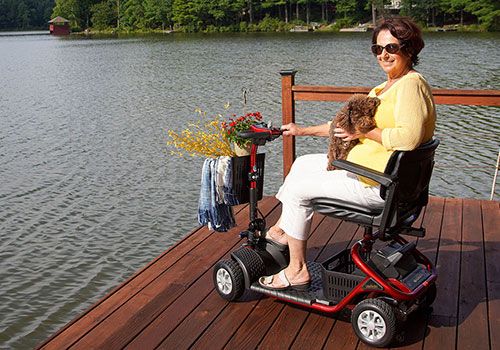
Renting mobility equipment can be a better option than buying in certain situations. Here are some reasons why renting may be preferable:
If you have a temporary need for mobility equipment, such as during a short-term recovery or while traveling, renting can be a cost-effective choice. Rather than investing in a piece of equipment that you may only use for a limited period, renting allows you to pay for the duration you actually need it.
Renting allows you to try out different models and types of mobility equipment before committing to a purchase. This can be beneficial if you're unsure about your specific needs or if you want to assess the equipment's suitability for your lifestyle and comfort.
Renting provides convenience and flexibility, particularly during travel or when your mobility needs may change over time. Rental services often offer delivery and pickup options, allowing you to have the equipment conveniently available at your destination. Additionally, you can easily switch to a different type or size of equipment if your needs evolve.
When you rent equipment, the rental company typically takes care of maintenance and repairs. If any issues arise with the equipment, you can rely on the rental company to handle the necessary repairs or provide a replacement, minimizing any inconvenience on your part.
Mobility equipment can be bulky and require storage space when not in use. Renting eliminates the need to find storage solutions for the equipment, which can be particularly helpful if you have limited space or are traveling.
It's important to evaluate your specific situation and needs before deciding whether to rent or buy mobility equipment. For long-term or permanent needs, purchasing may be more cost-effective in the long run. Consulting with mobility equipment specialists at Mobility Plus can provide personalized advice to help you make an informed decision.
Mobility Plus
05/09/2023
Mobility Plus Named a 2023 Top Franchise by Franchise Business Review
Mobility Plus was recently named a Top Franchise for 2023 by Franchise Business Review. This is the 18th annual ranking of the 200 best franchise opportunities as rated by franchise business owners.
To identify the 2023 Top Franchises, Franchise Business Review surveyed over 38,000 franchisees from over 360 brands throughout North America. It is the only program honoring franchise brands for excellence in achieving franchisee satisfaction.
Franchise Business Review, a market research firm that performs independent surveys of franchisee satisfaction and employee engagement, provides the only rankings and awards for franchise companies based solely on actual franchisee satisfaction and performance. Franchise Business Review publishes its rankings of the top 200 franchises in its annual Guide to Today’s Top Franchises.
Mobility Plus was among over 360 franchise brands, representing nearly 38,000 franchise owners, that participated in Franchise Business Review’s research. Mobility Plus franchisees were surveyed on 33 benchmark questions about their experience and satisfaction regarding critical areas of their franchise systems, including training & support, operations, franchisor/franchisee relations, and financial opportunity.
Mobility Plus is a system with strong core values - more than 90% of franchisees trust and respect the franchisor, and believe that the franchisor acts with a high level of honesty & integrity. 93% of franchisees believe that the Mobility Plus franchisor cares about their success. 96.5% of franchisees strongly agree or agree that they enjoy being a part of the Mobility Plus organization.
Mobility Plus and it's franchisee culture - 93% believe fellow franchisees are supportive of the brand, 83% believe that fellow franchisees actively participate in company programs & events, 86% of franchisees say that fellow franchisees are supportive of each other.
"Franchisee satisfaction levels hit an all-time high last year despite the pandemic, and we are pleased to report that our 2023 research shows satisfaction has remained sky high—a sure indicator that franchisee satisfaction is a top priority for franchise companies—and that’s good news for franchise owners and anyone thinking about investing in a franchise," said Michelle Rowan, president & COO of Franchise Business Review. "As an independent research firm, Franchise Business Review is committed to helping prospective franchisees get an objective view of the best franchise opportunities available based on actual feedback from the people who own them. This year, nearly 38,000 franchisees completed our survey and from there we identified the franchise brands with the highest levels of satisfaction and performance to educate potential buyers about which franchise to invest in. Each of the 200 Franchisee Satisfaction Award winners on this year’s list achieved stellar ratings from their franchisees."
Visit FranchiseBusinessReview.com to see the full description of the 2023 Top Franchises.
Mobility Plus
01/20/2023

Mobility Plus Was Recognized as One of The Top 500 Franchises
Mobility Plus was recognized as one of the top 500 franchises in Entrepreneur’s Franchise 500, the world’s first, best, and most comprehensive franchise ranking. The 44th annual Entrepreneur Franchise 500 is a highly sought-after honor in the franchise industry. Recognized as an invaluable resource for potential franchisees, the 2023 Franchise 500 ranks Mobility Plus as 358 for its outstanding performance in areas including unit growth, financial strength and stability, and brand power.
"The past year underscores the extraordinary opportunities that the franchise industry presents for entrepreneurs of all levels," says Entrepreneur editor in chief Jason Feifer. "The companies named to our 44th annual Franchise 500 list represent some of the most innovative, creative, and trusted brands across many industries and highlight what it takes to build the kind of momentum that drives long-lasting success."
In Entrepreneur’s continuing effort to best understand and evaluate the ever-changing franchise marketplace, the company’s 44-year-old ranking formula continues to evolve as well. The editorial team researches and assesses several factors that go into the evaluation including costs and fees, size and growth, support, brand strength, and financial strength and stability. Each franchise is given a cumulative score based on an analysis of more than 150 data points, and the 500 franchises with the highest cumulative scores become the Franchise 500 in ranking order.
Over its 44 years in existence, the Franchise 500 has become both a dominant competitive measure for franchisors and a primary research tool for potential franchisees. Mobility Plus' position on the ranking is a testament to its strength as a franchise opportunity.
To view Mobility Plus in the full ranking, visit www.entrepreneur.com/franchise500 Results can also be seen in the January/February 2023 issue of Entrepreneur, available on newsstands January 17th.
Mobility Plus
01/20/2023

8 Ways to be an Effective Long-Distance Caregiver
Taking care of an injured or sick loved one is never easy, but when you’re far away, it can complicate matters and create feelings of anxiety and guilt.
Here are eight ways you can help an aging, injured or disabled friend or relative, even if they are living many miles away:
1. Arm Yourself with Knowledge
Once you have a medical diagnosis or know the extent of a loved one’s injury, take time to do some research. Gather information using the Internet or by consulting with medical experts and rehab facilities in your relative’s area. Find out what the usual treatment and recovery process is, as well as side effects of prescribed medications, so you can anticipate your loved one’s needs.
2.Communicate in a Variety of Ways
One of the best ways to let your friend or relative know you care is by connecting with them regularly. Set up phone calls or video chats at a time of day when they will most be in the mood to talk. (While evenings may be convenient for working adults, many elderly parents with dementia may not be at their best late in the day.)
Choosing a consistent day and time to talk can give them something to look forward to. You can also send email messages or communicate on social media. Older individuals may prefer more traditional forms of communication such as mailing them letters, greeting cards or small gifts to show you care.
3. Coordinate Medical Appointments and Finances
If a relative would like help with finances or medical needs, ask them for written permission, so you can access their financial records and talk freely with their healthcare providers. Many online services are available to track your relative’s finances or help them pay household bills. You can also order groceries for home delivery, schedule transportation and followup appointments, or participate virtually in telemedicine appointments with their doctors. Downloading a caregiver app will make it easier to keep track of appointments and medications.
4. Learn About Insurance Coverage
Understand what might be covered by your loved one’s insurance or what may have to be paid for out of pocket. Although some items may be covered by insurance, they are often basic items with limited features or may take a lengthy time to be approved. If this is the case, or if your relative has a special request, such as needing a light transportable wheelchair, it might be worthwhile to purchase the right product for them out of pocket, so they can have it available immediately.
5. Consult with Mobility Equipment Experts
When purchasing medical equipment, find a reputable company that you can trust in your loved one’s area that services and physically assembles the products on-site. They can also educate the user and caregiver during in-person visits.
Find out the scope of the company’s services and offerings. Keep in mind that there is a difference between a medical “supply” store and a medical “equipment” store. Supplies are usually disposable items such as diapers, bandages, etc. While many companies may sell both supplies and equipment, they usually only specialize in one of these areas. Mobility Plus focuses primarily on the equipment side.
6. Ask for a Home Assessment
An injury or serious illness can make it more difficult for individuals to get around. They may need modifications to their environment in order stay in their home, or they may require specialized mobility equipment to perform daily activities of living. If your loved one is at risk of falling, ask a Mobility Plus consultant to do a fall assessment of the home environment and recommend equipment to reduce their risk of falling.
7. Make Your Health a Priority
The stress and frustration of long-distance caregiving can take a toll on your health. Caregivers who provide substantial care — including care coordination and medication management — are at greater risk of emotional and physical health problems, according to a 2011 National Health and Aging Trends Study.*
You won’t be as helpful to those who need you, if you are overwhelmed with worries and experiencing your own health issues. Here are a few tips for improving your overall health:
You will be a stronger support and comfort to loved ones if you make your own health a priority.
8. Create a Team of Supporters
Exchange contact information with neighbors, nearby family members and healthcare providers, so you can easily be notified in an emergency. If there is a local caregiver, make sure to communicate often about your loved one’s needs and their progress. If you have other close family members involved in caring for your relative, make sure all of you have a copy of the person’s will, advanced directives and life insurance policy.
Whether you’re an hour away or living on the other side of the country, your help in coordinating their care and communicating with them regularly will make them feel loved and well cared for
For resources on senior housing, insurance, transportation and eldercare rights, check out www.USAging.org, formerly the National Association of Area Agencies on Aging.
https://www.nia.nih.gov/health/caregiving/take-care-yourself-caregiver
Mobility Plus
01/19/2022
Accessories add Comfort and Safety to Your Scooter or Power Chair
When you're out running errands, shopping or going to doctor's appointments, your mobility equipment becomes your home away from home.
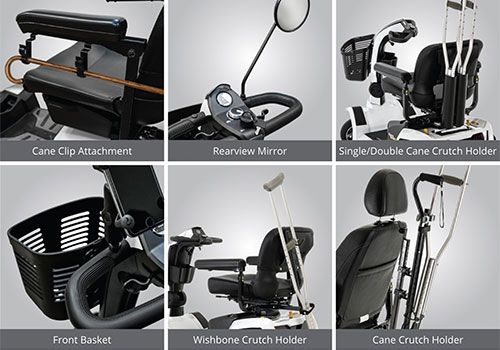
A wide range of accessories are available to add comfort, convenience and safety to your mobility scooter or power chair.
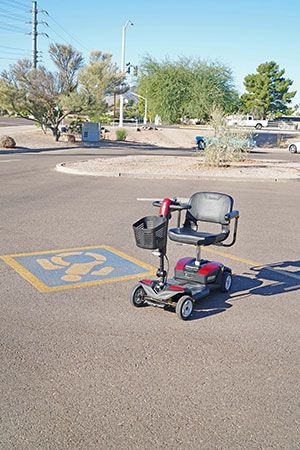
Here are a few tips to ensure the accessories are compatible and safe for your mobility device:
Here are some of the most commonly used accessories for scooters and power chairs:
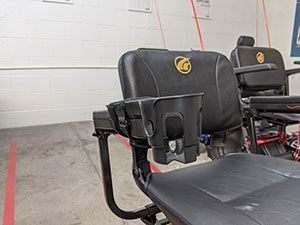
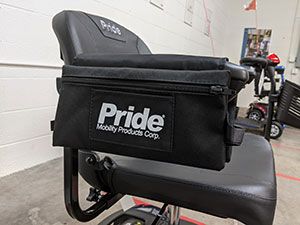
Instead of purchasing accessories online, save time by visiting our showroom, so you can eliminate the hassle of having to return incompatible items. Our Mobility Plus consultants will help you select accessories which best fit your specific brand and model.
Accessories help personalize your power chair or scooter and maximize your safety and comfort. As you venture out into the community, these convenient accessories allow you to take your essential belongings with you and store them conveniently at your fingertips. They also help you explore the world in comfort and style.
Mobility Plus
12/23/2021

Mobility Devices Lighten the Load for Caregivers
With the increase in the aging population, more family members are taking on the role of caring for loved ones, even though they may have no formal training.
As a caregiver, you are faced with many difficult decisions - from handling finances and healthcare arrangements to purchasing mobility equipment and renovating your home to make it more accessible for the patient. You may also be so focused on taking care of others that you neglect your own health.
Mobility equipment doesn't just help the disabled or injured person; it also reduces the burden on the caregiver. Visit your local Mobility Plus showroom, so you can discover the wide range of mobility devices and accessories available. Our mobility specialists also offer free in-home consultations to determine the best mobility equipment and safety devices to enhance the patient’s ability to get around with minimal assistance.

The demands of being an around-the-clock caregiver can take a toll on your physical and mental health. In order to be there for a loved one, it's important to make your health a high priority. If you become ill or injured, you will no longer be able to help others.
When you’re spending most of your waking hours caring for someone else, it's natural to feel frustrated, angry or lonely. This chronic stress can affect your overall health and make it difficult to continue in your role as caregiver.
Some of the warning signs of caregiver stress include high levels of anxiety, exhaustion, insomnia, loss of interest in other activities, physical pain such as chronic headaches and body aches, and abuse of alcohol or drugs. If you are struggling with these symptoms, contact your healthcare provider for help.
To avoid burnout, be sure to make time for exercise, take walks in the fresh air and sunshine, get plenty of sleep, eat well balanced meals, and pursue hobbies and activities that you enjoy.
When you're stuck in the house most of the day, it limits the daily social interaction you get, creating a sense of isolation and loneliness for you and the patient.
Consider joining a caregiver support group in your community, so you can share your feelings and find useful resources. Respite care services are available in most communities. This will give you a break from your caregiving responsibilities, so you have time to yourself to run errands, go to doctor appointments, get together with friends, or take a short trip.
You can also find support groups for the patient. Both of you can benefit from being in a supportive community with people who are coping with similar challenges.
If the patient is unable to venture out of the house, invite friends over to participate in a card game or other social activity. Ask other family members to help out with errands, cooking and caregiving, so you can devote more time to your own wellbeing.
One of the biggest challenges caregivers face is preventing falls. Here are a few ways you can improve the safety of your home:

Another safety risk is getting injured while trying to transfer the patient from the bed, wheelchair or bathtub. Remember to practice proper body alignment by bending your knees and engaging your leg and stomach muscles when assisting someone or doing any heavy lifting.
If someone in your care takes a fall, and you’re unsure if you can get them up safely, call for emergency help. Consider taking a safety class to learn more about how to properly help the patient transfer from one place to another.
Ask your healthcare provider or occupational therapist about mobility aides that can help your loved one get around more easily, such as walkers, canes, chair risers and high toilet seats or transfer boards. Some occupational therapists may offer in-home evaluations for modifying your living arrangements or recommend mobility devices best suited for the patient's medical condition.
We know that caregivers are juggling a lot of responsibilities. That's why Mobility Plus offers the convenience of sales, installation, maintenance, repair and rental of mobility equipment all under one roof.
Come in for a test drive before you purchase a wheelchair, scooter or walker. We can help customize them with baskets, leg rests, lap boards or trays for meals, as well as many other accessories.
Visit your local Mobility Plus showroom or call to schedule an in-home consultation, and we will be happy to offer suggestions for making your living spaces safer for your loved ones and help them become more independent and self-confident.
Mobility Plus
11/05/2021
Maintain Independence in Your Multi-level Home
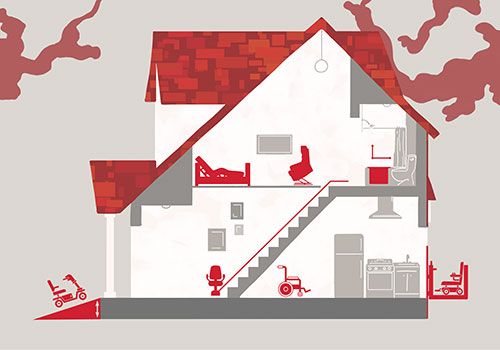
Living in a multi-level home can create access problems for those with limited mobility - whether you're dealing with a chronic illness, injury or age-related impairment. By installing the proper mobility equipment, you can maintain your independence and move freely between different levels of your home such as the second floor, sunken living room, basement, porch, observation deck or boat dock.
Before purchasing any mobility equipment, contact your local Mobility Plus consultant for a free in-home evaluation. Our specialist will recommend the home accessibility solutions that work best based on the size, layout and unique design of your home.

In a multi-level home, three types of mobility solutions are commonly used:
Let's take a closer look at the features and benefits of each type of mobility equipment, so you can determine which ones are needed in your home.
Climbing a staircase can be a major obstacle when you have a mobility impairment. A stair lift is a motorized chair that allows you to travel up and down the staircase from a seated position with the simple push of a button. The chair moves on a rail, which is bolted to the staircase. This is designed for individuals who can sit down and stand up from a seated position without assistance.
Stair lifts are available for both straight and curved staircases and can be used in and outside the home. Curved stair lifts are customized for spiral staircases and are more expensive than stair lifts for straight staircases.
Stair lifts are generally less expensive to install than a vertical platform lift and require less space in the stairwell. That gives family members more room to go up and down the stairs without the stair lift getting in the way.
One of the major downsides of stair lifts is that they are unable to accommodate wheelchairs or scooters. If you need to remain in a wheelchair or regularly use a scooter to move around your home, a vertical lift platform may be a better choice.
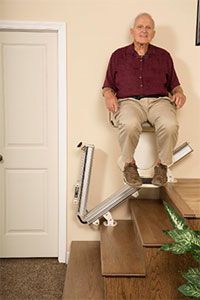
Stair Lift Installation Considerations
When doing a home evaluation, our mobility consultant will measure the length and width of your stairs to ensure a stair lift can properly fit on your staircase. An electrical outlet will need to be located near the stair lift or one can be wired close by. Another important factor is the chair weight capacity for the individual using the stair lift.
The sole purpose of the stair lift is to transport users up and down the staircase. If they need additional assistance getting around, a walking device will need to be available on each floor of the home.
Vertical platform lifts, also known as VPLs, help transport individuals to different levels inside and outside their home. A VPL usually consists of a two-sided platform, which attaches to a lift tower and can be enclosed or open. They operate like a home elevator, but without the sliding doors and are less expensive than an elevator.
Vertical lift platforms offer more flexibility than a stair lift and are especially useful for those who are wheelchair-bound or who use scooters, power chairs or walkers.
When using a VPL, you won't require assistance to get on or off the platform lift, and you will only need one wheelchair to access all levels of your home. Since you don’t need to transfer from one piece of mobility equipment to another, it also reduces the risk of falls and gives caregivers more peace of mind.
VPLs are mainly used outdoors to access porches, decks or boat docks. However, indoor options are also available. For homes with multiple levels, VPLs can be designed to traverse to a third floor, as well as stopping at a second floor.
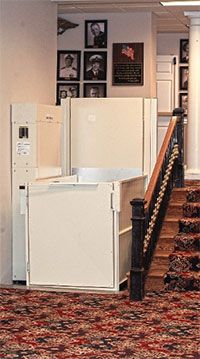
VPL Installation Considerations
During the in-home evaluation, our mobility consultant will measure the space available in your home. VPLs are typically used for multiple stairs. They require more space than a stair lift, but have a smaller footprint than ramps.
One of the main advantages of a VPL over a stair lift is the flexibility of using any mobility device - including scooters, wheelchairs, power chairs, rollators and walkers - when traveling to different floors of your home.
A ramp is an inclined pathway used to navigate between areas of different ground height such as stairs, doorways or curbs. They are designed to accommodate individuals who use walkers, scooters, power chairs and wheelchairs. Like vertical platform lifts, ramps are used primarily outdoors, but indoors options are also available.
Ramps come in a variety of materials, lengths and configurations and also offer easy access for deliveries, handcarts or strollers.
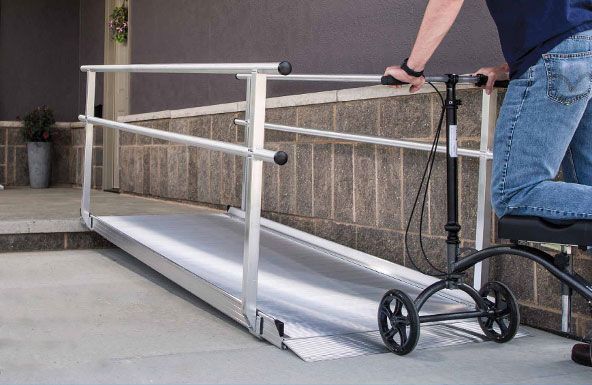
Ramp Installation Considerations
During an in-home evaluation, our mobility consultant will measure the space, as well as heights greater than one foot.
Ramps are a good choice when dealing with a low-rise. Consider the distance and steepness of the ramp, especially for people using a manual wheelchair, rollator or walker. If the rise of the step is too high, a vertical platform lift may be a safer option.
Another important consideration is space. Ramps take up more physical space than lift platforms and may detract from the curb appeal of your home. VPLs tend to offer a more contemporary and sleeker design. Consider Homeowner Association regulations when considering your options.
The Freedom to Stay in Your Home
Your home can be a great source of comfort and security, especially when dealing with the stress and uncertainty of health issues. Stair lifts, vertical platform lifts and ramps can give you the option of remaining in your current home. With properly installed mobility equipment, you can move about your multi-level home with ease and reduce your risk of falls.
Rental Equipment for Short-Term Needs
If you have a temporary living arrangement or are recovering from a short-term illness or injury, you may only need a mobility device for a short period of time. In this case, consider renting instead of purchasing mobility equipment. Contact your local Mobility Plus store for availability of rental equipment in your area.
Mobility Plus
10/05/2021
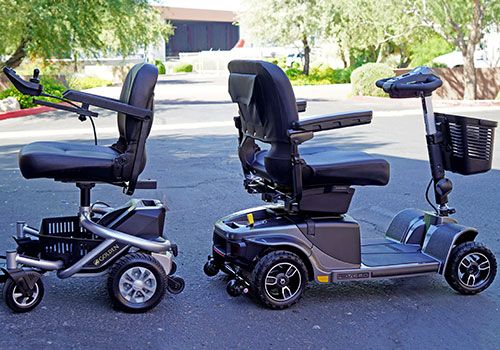
Power Chair or Scooter? 4 Key Questions to Ask Before You Buy
Choosing between a power chair and mobility scooter can be confusing, especially with so many different configurations, sizes and styles on the market. However, each one offers distinct advantages and disadvantages. The decision should be based on space limitations, how long you plan to use the device and the user’s body weight, mobility capabilities and hand dexterity.
Both mobility scooters and power chairs increase self-reliance, so users can perform daily activities of living with greater ease and interact with the world around them.
A mobility scooter typically has three or four wheels and uses handles in front of the driver similar to a bicycle.
A power chair, also known as an electric wheelchair, is designed with four to six wheels and generally uses a joystick for operation.
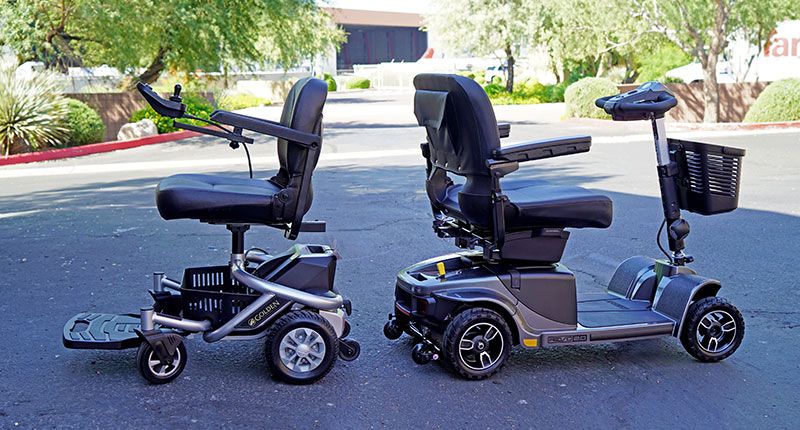
Here are four critical questions to ask before investing in mobility equipment.
Power chairs have a much tighter turning radius, making them more compact and maneuverable in homes and in confined areas such as hallways, elevators and bathrooms.
Because scooters have a larger turning radius, they are best used in open spaces. They are the ideal choice when shopping at the grocery store or mall or when traveling longer distances in public places. In fact, some stores offer free use of scooters while shopping.
Both scooters and power chairs come in configurations that can handle rugged, uneven terrain and are easy to transport. However, mobility scooters generally perform better on steep inclines, have higher ground clearance and faster speeds.
A mobility scooter requires the use of two hands to operate. The user must have good manual dexterity and sufficient upper body strength to sit upright without support. The handlebars/tiller controls of a mobility scooter are similar to the steering on a bicycle, making it easy to operate.
Some individuals may be reluctant to use a power chair because they are unfamiliar with how to operate a joystick. However, some power chair brands allow the user to substitute different accessories for the joystick.
If you're looking for more customized features, power chairs may be a better choice. The seat, back and side cushions, armrests, leg rests and power options can be tailored to the individual. Hand controls are conveniently located on the armrests, so users can use their fingertips to operate them without having to extend their arms or reach forward.
For those with more severe limitations, power chairs can be customized, so the user can control them using their eyes, mouth or foot movements.
If you can stand up and walk a short distance, consider using a mobility scooter. People with minor mobility issues tend to prefer scooters over power chairs because they offer more independence.
For individuals who are confined to a seated position, power chairs make it easier to engage with the world around them. Because they don’t have steering handles in front of them, users can easily pull up to the dining room table, sink, desk or counter without having to transfer to another seat. They can also pull up very close to a bed or shower.
Specialized "elevating" power chairs allow users to raise themselves up with a push of a button, so they can get quick access to shelving or cabinetry. This feature also enables them to elevate their seat, so they are eye level with friends and family to promote more social engagement.
Some mobility scooters feature a swivel seat to help the user access a desk, table or bed.
If you need full-time, longterm assistance, a power chair offers extra options and accessories to ensure your comfort from morning to night. You can adjust the seat and recline the headrest and back of the chair to relax more easily or take a nap. More support options can also be added to a power chair for individuals who becomes less mobile over time.
If you have a short-term disability, or you will only need to be seated for a small portion of the day, a scooter may be a better option.
Test Drive or Rent Before You Buy
Still not sure whether a scooter or power chair is right for you? Visit your local Mobility Plus store for a test drive or ask about renting each of these types of equipment, so you can try them out firsthand before making the investment.
With the wide range of models available today, you can find mobility scooters and power chairs with all-terrain capability and long-life rechargeable batteries. While both offer portable models, users tend to prefer a folding power chair for travel, which is more compact and can be stowed in tight spaces more easily.
Whether you choose a scooter or power chair, you will gain more freedom to move through your day with minimal assistance and more peace of mind.
Mobility Plus
08/25/2021
Travelling with Mobility Issues
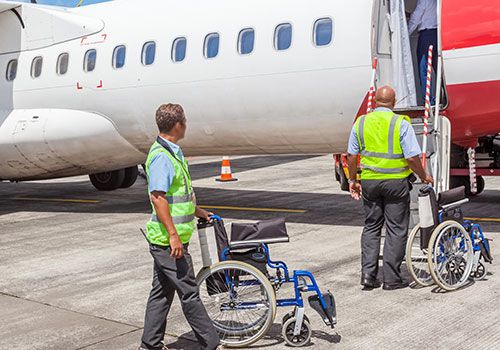
Now that many COVID restrictions have been lifted, it’s time to get out and visit friends and family and explore the rich cultures and sights around the world. When traveling with mobility equipment, preplanning is critical.
Here are a few tips to ensure a smooth, stress-free vacation:


If transporting your own equipment, always bring your charger and a backup battery. Also consider buying a backup charger, so you will be prepared in all situations.
For greater peace of mind, rent a mobility device from one of our local stores. We can even have it conveniently delivered to your hotel.
Don't let a mobility impairment deprive you of the joy of seeing loved ones and exploring the world. Mishaps and delays may happen, but with advance planning, you can travel safely and comfortably and create a lifetime of memories with your family and friends.
Mobility Plus
07/29/2021
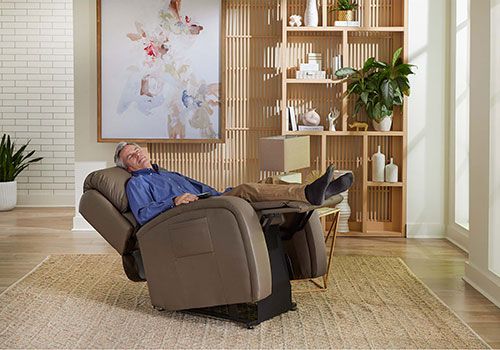
Increase Your Safety, Comfort and Independence with a Lift Chair
Lift chairs help you get out of a chair and sit back down with the simple push of a button. They are designed for people with mobility, strength and balance issues, especially the elderly, disabled or those recovering from surgery or an injury.
When choosing a lift chair, also known as a power chair recliner, consider the chair size, reclining position options, upholstery and upgraded features available.
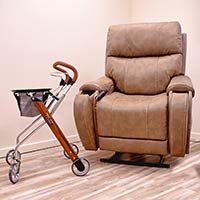
Although lift chairs are considered medical equipment, they can be customized to complement your home decor and create a cozy, warm ambiance. Just as with a standard recliner, they come in a variety of upholsteries, colors and styles.
If the user suffers from incontinence or plans to eat meals in the chair, a stain-resistant upholstery is recommended. Instead of cloth, choose fabrics such as imitation leather, microfiber or linen that clean up more easily. If slipping out of the chair is an issue, avoid faux leather.
Also consider the climate where you live when selecting the upholstery. In warm climates, you may sweat more in leather and vinyl chairs because they retain the heat more than cloth or synthetic leather.
If your pet usually cuddles up with you in your chair, purchase one with a wider, more spacious seat, so you can sit together more comfortably.
Before you make your purchase, measure the area available for your chair. Because recliners slide out and backward, 1 1/2 to 2 feet of space is usually needed between the wall and the chair.
Most lift chairs are available in petite, medium, large and bariatric sizes. Standard lift chairs have a maximum weight limit of about 300 pounds.
Bariatric models are available with extra-wide seats and a weight limit of up to 600 pounds.
In addition to a person’s height and weight, it’s helpful to measure from the bottom of the user’s foot to the back of the knee, tailbone to knee, hips at the widest part, and tailbone to the top of the head.
If you’ve been using a traditional recliner that feels comfortable to you, provide the chair measurements to our Mobility Plus specialists and we will find a comparable-sized lift chair for you.
Use the checklist below for your convenience:
Measurement checklist:
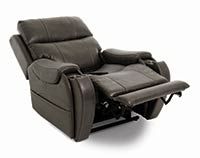
When choosing your lift chair, consider how much time you plan on spending in the chair. Will you be sitting down for just a few hours or do you plan to spend most of your day in it or even sleep in the chair all night?
Lift chair types include two-position, three-position and infinite-position models. The type you choose will determine how far you can recline in your seat and your level of comfort.
Here are a few of the features available to enhance the user’s comfort and convenience:
An emergency battery backup offers peace of mind if you lose power and can’t get out of the chair without assistance.
With the simple push of a button, lift chairs allow the user to be raised into a standing position or lowered into the seat without strain on knee joints, hips, wrists, elbows or shoulders.
Lift chairs also provide the comfort and beauty of a standard recliner with greater durability. Because the chair gently lifts users out of the seat and onto their feet, they don’t have to rely on others for this everyday task. This also decreases the physical strain and stress on caregivers.
Lift chairs are priced competitively and in some cases may be less expensive than traditional recliners. Most importantly, they offer users help in safely getting in and out of a chair, so they can pursue their daily activities with more freedom and independence.
To purchase a lift chair that is perfectly tailored to your body size and lifestyle, contact your local Mobility Plus store or visit www.mobilityplus.com. Some stores also offer rentals for short-term use such as recovering from a surgery or when a relative visits with a mobility issue.
Mobility Plus
06/01/2021
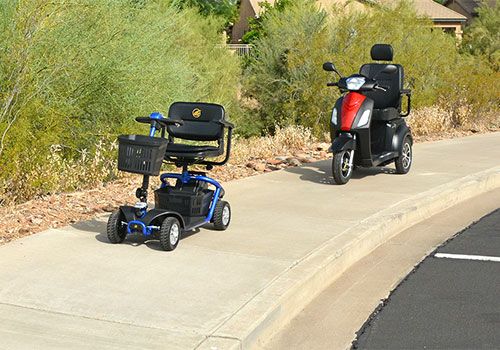
Investing in the Perfect Scooter for Your Needs
Just as with cars, mobility scooters come in all different sizes and prices to match your lifestyle and budget. Learning about the different models available and test driving the scooters are a critical part of the buying process.
Mobility Plus specialists have the expertise to guide you smoothly through the entire selection process and ensure that the scooter is customized to your specific needs.
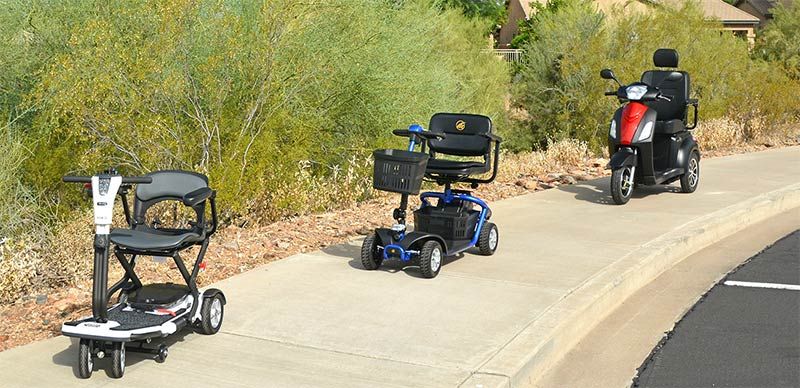
Maneuverability, travel distance, portability, and your environment are all key factors to consider. A wide range of scooters are available — from low-cost, compact models to fully-loaded luxury or heavy-duty models.
When it comes to scooters, one size does not fit all. The scooter should be tailored to match the customer’s specific body size based on the following:
Also take into consideration any physical limitations or medical conditions that might affect the user’s ability to safely operate the scooter, such as their balance, hand and leg strength and dexterity.
One of the first questions to ask is, how and where will the scooter primarily be used?
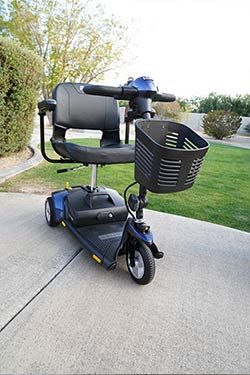
The three main types of scooters are:
Each scooter type offers advantages and disadvantages depending on how it will be used.
Three-Wheeled Scooters for Maneuverability and Flat Surfaces
Three-wheel scooters are generally lightweight and very maneuverable with one wheel in the front and two in the back. They are used indoors, as well as outdoors on smooth paved surfaces.
The adjustable steering column, also known as a tiller, is usually smaller than four-wheeled models and offers a tighter turning radius, which makes it easier to maneuver around obstacles in a home or shopping mall.
Many of the models have solid rubber tires that are puncture-proof. A three-wheeled model also tends to have more foot room than its four-wheel counterpart.
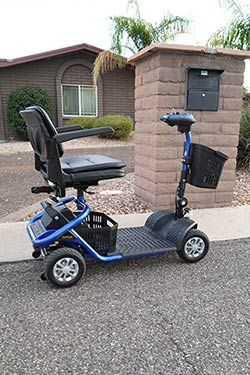
Four-Wheeled Scooters for Stability and Versatility
Four-wheel scooters are set up like a car, with two drive wheels at the rear and two wheels for steering at the front. Scooters with four wheels are generally better suited for outdoor use than three-wheeled models. They tend to be heavier with a wider platform where the rider sits, known as the deck. With the bigger size comes a wider turning radius, making it less maneuverable than a three-wheeled scooter.
Due to the larger size and weight, this type of scooter offers more stability for people with balance issues, especially when transferring on and off the scooter. Stability is particularly important when traveling uphill or on ramps.
Larger models feature air-filled pneumatic tires for a smoother ride. Tires will need to be checked for proper inflation and air leaks before each use.
Deluxe Features for Larger Models
Full-size models offer added comfort with high chair backs, reclining or elevating seats and a higher weight capacity of up to 400 pounds. They typically have a bigger battery, can go longer distances and require a car lift to transport them.
Large scooters usually have a bigger, thicker tiller, which can make the scooter more difficult to turn. An upgraded feature is to position the tiller adjustment higher on the steering column, so it’s easier to reach without the user having to bend down.
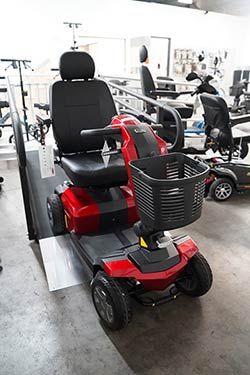
Heavy-Duty Scooters for Extra Power and Rough Terrain
If you plan to spend a lot of time outdoors traveling on rugged terrain or want extra durability, consider purchasing a heavy-duty scooter. They have bigger tires, a wider base, higher ground clearance, and better suspension for uneven terrain. Like full-size models, they have a higher weight capacity and offer larger seats with more legroom.
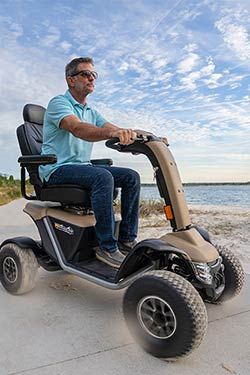
Travel Scooters for Portability
Travel scooters are designed for people who travel often. They are also sometimes referred to as boot or trunk scooters and come in three-wheel and four-wheel configurations. Travel scooters tend to be lightweight, more compact in size with a smaller turning radius.
They can be easily disassembled or folded up for smooth and efficient storage in most car trunks. Many of them include safety features, such as lithium batteries, to allow them to be safely transported on trains, planes and other public transportation.
The seats are typically smaller and don’t swivel like other models. They also have a lower maximum weight capacity than full-size scooters.
Travel scooters are especially useful at shopping malls, amusement parks, on cruise ships or anytime you’re running errands and traveling on a smooth surface.
Class 2 Scooters for Indoor and Outdoor Use
Mobility equipment is sometimes divided into classes based on their capabilities and how they will be used.
Class 2 mobility scooters have a top speed of 4 mph and can travel anywhere a pedestrian can walk. They are lightweight, compact and easy to transport. These scooters can be used outdoors on pavements and footpaths, but not on roads unless crossing the street. They tend to be smaller with a tighter turning radius and are ideal for indoor use and smooth outdoor surfaces.
Class 3 Scooters as a Prime Mode of Transportation
Class 3 scooters have a top speed of 8 mph and are usually fitted with lights on the front and back, turn indicators and rearview mirror for added safety. They are often purchased as the prime mode of transportation for someone who is mobility-impaired. These scooters are larger and more powerful than class 2 scooters.
Laws governing mobility scooters vary depending upon where you live. Check with your local government for rules and regulations of where you can legally drive your scooter in your community.
Important Features for Larger Users
All scooters have a weight rating. Full-size, heavy duty, and all-terrain scooters typically have a weight capacity of 400 pounds.
Suspension, wheel size and seat size are important factors to consider. A stronger suspension system and larger wheels will be able to support more weight. A wider seat will not only offer more comfort for the user, but will also distribute the weight more evenly on the scooter, increasing its stability.
Battery Life Considerations
Different size batteries are available depending upon your needs and the distance you plan on traveling. Most scooters use a 12-volt battery. If you’re planning to take longer trips, buy a larger and heavier battery that will last longer on a single charge.
Full-size and heavy-duty scooters come equipped with longer life batteries. Keep in mind that battery life will be reduced if climbing hills or when users are at the higher end of the weight capacity.
Accessories for Added Comfort
You can personalize your scooter with cupholders, storage compartments or baskets to hold your personal belongings. On some models, you can also add a cane and oxygen tank holder, as well as canopies or an umbrella to protect you from the elements.
Some deluxe models have a built-in USB port for charging your phone or tablet and hidden underseat storage bins. Flags, rearview mirrors and LED lights may be added for extra safety outdoors.
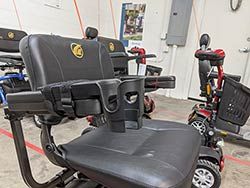
Complete Turnkey Service
Scooters require ongoing maintenance and repair. When deciding where to purchase your scooter, make sure you will have access to local service for the longterm care of your scooter. Mobility Plus offers sales, maintenance, repairs and rentals all under one roof.
Test Drive Before You Buy
While it may seem more convenient to order a scooter online, it can be difficult to evaluate which features you need and determine the quality of the equipment without seeing it in-person and taking it for a test drive.
By talking with a local mobility consultant at Mobility Plus, you can narrow down your choices. In most cases, you will have the opportunity to test drive the scooter to be sure it’s comfortable and a good fit for your body and the environment where it will be used.
Find a Scooter that Matches Your Lifestyle
Just like buying a vehicle, take time to evaluate your choices and get in the driver’s seat before you make the purchase. Whether you’re looking for a portable scooter to take on vacations, a scooter for moving freely around your home, or a larger scooter for cruising around town, Mobility Plus has the expertise to help you choose the ideal model for your environment and lifestyle.
Mobility Plus
04/23/2021
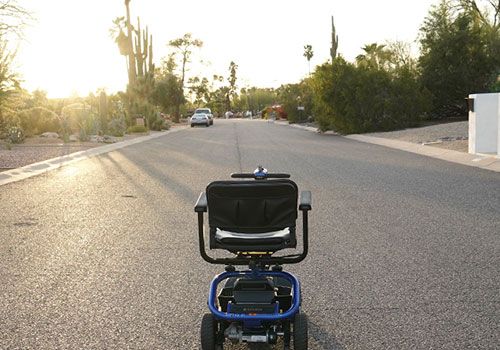
Mobility Solutions for Enjoying the Outdoors
Don’t let a disability or injury keep you cooped up inside. It’s time to get outdoors and enjoy the fresh air and sunshine. Our mobility equipment makes it safe and stress-free to venture outside.
"Spending at least two hours a week in nature is associated with good health and wellbeing," according to a 2019 study published in Scientific Reports.1
The simple act of being in a natural outdoor environment can elevate your mood and enliven all your senses. The gentle breeze and warm sunshine on your skin, the sound of birds chirping and the endless blue sky create a feeling of freedom and vitality.
When you’re ready to head outdoors, Mobility Plus has a large array of mobility aids that can be tailored to your needs.

The type of equipment you need will depend on your physical capabilities, activities planned and distance you will be traveling. The following equipment can be used alone or in combination with each other:
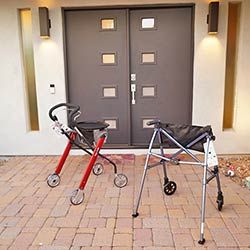
All-terrain wheelchairs and scooters feature larger tires and front casters that are designed for traveling over rough terrain or obstacles. Rollators are also available in a more rugged outdoor configuration.
Some scooters can go 4 to 24 miles on a single battery charge, giving you the ability to accompany family or friends on a longer outdoor adventure.
If you want to take a refreshing dip in a pool, an aquatic lift chair makes the transition smooth and safe.

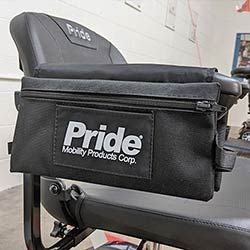
Accessories can be attached to your mobility equipment, so you can take your walker, cane or oxygen tank with you. If you need extra storage for a picnic lunch or beverage, a rear basket, travel case or cupholder can be mounted on your scooter or wheelchair.
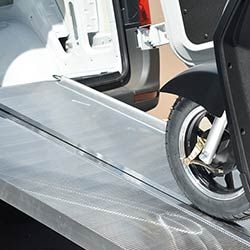
A variety of ramps are also available to help you transition from your home to your vehicle or any public place.
Our Mobility Plus experts can help you select the best equipment and accessories for your specific needs.
Here are just a few of the benefits of getting outside and soaking up the healing power of Mother Nature:
Just because you have mobility limitations doesn’t mean you have to spend your days stuck inside your home. With our full line of mobility devices and accessories, you can safely venture outdoors and enjoy the healing benefits of nature — whether you’re birdwatching and picnicking at your favorite park, cruising around the neighborhood or spending time at the beach with loved ones.
For a free home assessment, call your local Mobility Plus store or visit us at www.mobilityplus.com.
1. White, M.P., Alcock, I., Grellier, J. et al. Spending at least 120 minutes a week in nature is associated with good health and wellbeing. Sci Rep 9, 7730 (2019). https://doi.org/10.1038/s41598-019-44097-3
Mobility Plus
03/26/2021
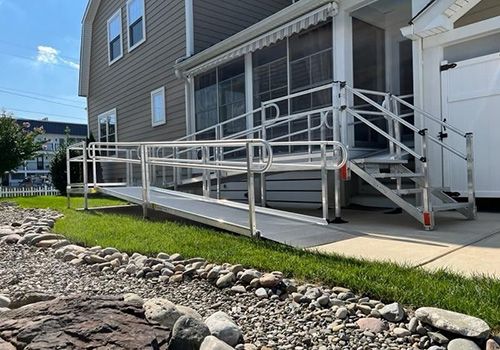
Ramps Offer Freedom in Your Home and On-the-Go
Ramps can make your entire house more accessible, giving you the independence and mobility to go about your daily activities — whether you’re using a walker, wheelchair or scooter. They are ideal for seniors choosing to "age in place" surrounded by the comfort and conveniences of their home.
Ramps can be useful when attempting to get over steps, thresholds or doorways, such as the front entrance to your home or garage. Another key area for ramps is in a "sunken" living room or any room that requires a step down in order to access it.
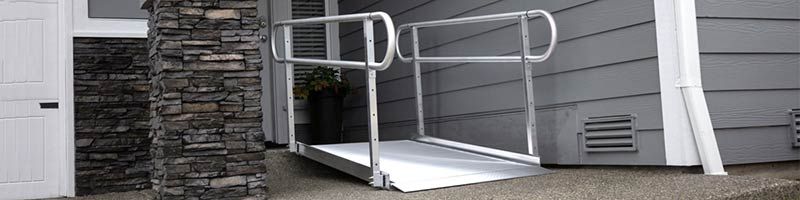
Mobility Plus offers free in-home consultations to assist you in choosing a ramp that best fits your space and application. All our ramps are manufactured in the USA and have lifetime warranties. A custom color powder coding can be applied to your ramps to enhance their appearance and meet HOA requirements.
Ramps come in a wide range of designs, configurations and lengths to fit your specific needs. The four main types of ramps are:
Ramps can be customized for any entryway or threshold in your home or business. To improve traction, ramps come in a variety of slip-resistant surfaces based on the application, such as treads or a solid extruded surface.
Ramps are not only useful for mobility device users, but also for people pushing strollers, carts or other wheeled equipment over thresholds or entry points. They are frequently used in industries such as delivery and construction services.
While it may be tempting to hire a handyman to build a makeshift wooden ramp, they can be hazardous if they fail unexpectedly. Wood tends to deteriorate easily, especially when exposed to outdoor elements, and they can require extensive maintenance.
For greater reliability, choose a ramp constructed from aluminum or rubber. Aluminum ramps are corrosion-resistant, so they won’t rust or rot in outdoor climates. Most aluminum ramps include a self-adjusting ground transition plate for a smoother transition on and off the ramp.
Rubber ramps feature a durable one-piece design that can often be trimmed to fit your space. Made of environmentally-friendly recycled rubber, they are slip-resistant and are a good choice for low-traction conditions. When choosing between aluminum or rubber, consider the ground conditions, exposure to the elements and space limitations.
To narrow down your ramp choices, begin by asking yourself, how long will I need a ramp?
If your mobility limitations are temporary due to an injury or illness, or if you have a mobility-impaired guest visiting your home, a ramp rental may be the least expensive choice. Contact your local Mobility Plus store for rental options and availability in your area.
Portable Suitcase and Rollable Ramps
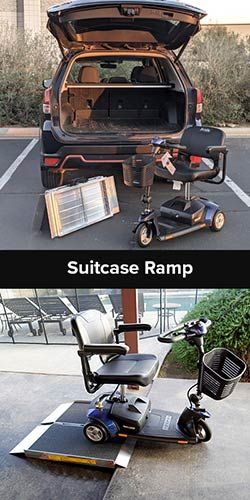
Whether you buy or rent, portable ramps offer the ultimate in flexibility. They can be easily moved to a new location and are useful when traveling outside your home to visit friends or to access commercial areas. Portable ramps can help you navigate raised landings, steps or larger vehicles. They can also be used to securely move mobility equipment into and out of your vehicle.
Suitcase ramps feature a single or tri-fold design and can be carried like a suitcase using an ergonomic handle.
Another portable option is a rollable ramp. Like suitcase ramps, they offer a light-weight design with heavy-weight capacity and can fit into most vehicles for easy transportation. Portable ramps are a low-cost option starting as low as $185.
Customized Modular Ramps
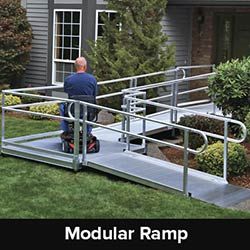
Modular ramps are semi-permanent/temporary ramp systems that contain a number of pieces that fit together in different combinations.
Most large ramps use a modular design to consolidate space. They are typically constructed of aluminum with all-weather durability.
Modular ramps are a custom item, requiring a larger investment, starting at about $2,000 depending on the height and location. If you’re considering a modular ramp system, call Mobility Plus for a free site evaluation.
Semi-permanent modular ramps typically rest on top of the ground or a concrete pad and can be disassembled and moved to a new location to meet your changing needs.
Threshold Ramps
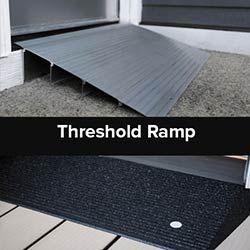
Threshold ramps are a simple, low-cost option for getting over a short step or low lip in a door jamb or flooring and are usually 3 to 4 inches high. Placing a ramp on each side of the threshold allows the mobility device user to travel smoothly over the threshold without assistance from caregivers.
If you have sliding glass doors leading out to a backyard or patio, threshold ramps will also help protect the door tracks and bottom side of your scooter from damage.
Ramps made of rubber material are sound-dampening, creating a quieter environment when transitioning over thresholds. This is especially beneficial in apartment buildings where living quarters are close together.
Portable threshold ramps can be easily moved from door to door. For longterm use, some threshold ramps can be attached to the ground.
Fixed Ramp Solutions
If you’re looking for a permanent solution, consider a fixed ramp that is bolted or cemented to the ground or floor. They are often used in new buildings and commercial applications.
If you’re installing a ramp in your home and have limited space, you can opt for shorter, less expensive ramps. However, when installing a ramp in a U.S. public or commercial space, ADA guidelines must be followed.
For every inch of height, one foot of ramp is required, which often takes up a large space at entry points. For example, a three-foot high set of stairs requires 30 feet of ramp. Our mobility specialists can help you choose a combination of ramps and platform turns to optimize your unique space, while meeting the 1:12 slope guidelines.
Using ramps in your home gives you more independence and self-confidence. It also eases the burden on caretakers by eliminating unnecessary lifting that can cause strain or injury.
Ramps provide smooth transitions from room to room and at entry points, so you can move freely inside and outside your home and participate in your favorite activities without assistance.
Mobility Plus
03/14/2021

Fall Prevention Products Decrease Risk Of Falling
Falls are the No. 1 cause of accidental death and injuries in seniors over the age of 65, according to the Centers for Disease Control and Prevention

Older adults can significantly reduce their risk of falling by taking some basic precautions and using fall prevention products:
Although the Internet is a convenient place to shop for many household items, buying safety products online that are poorly made or unreliable can cause serious injury.
Evaluating the quality and durability of fall prevention products can be difficult when looking at a one-dimensional photo from an online seller.
At Mobility Plus, we listen attentively to your needs and can recommend a combination of fall prevention products that work as a system. You can also visit our store and hand-select the items you need. We will ensure that the products are designed for your body weight and intended use.
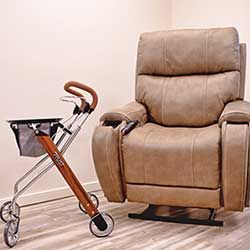
Every 11 seconds an older adult ends up in the emergency room because of a fall — that’s 2.8 million injuries and more than 27,000 deaths annually.
You can avoid being a statistic by taking steps to make your environment safer and more secure. Keep the walkways in your home well-lit and clutter-free, and purchase and install the proper fall prevention products to minimize your risk of falling.
Mobility Plus
03/01/2021